
Marketing your healthcare organization online is essential, but starting can feel overwhelming. Where should you begin? Which strategies actually deliver results? How do you measure success, and is it worth partnering with an agency? To make it easier, Elite Information Tech has put together a comprehensive guide featuring 50 of the most common healthcare marketing questions. These FAQs are organized into categories to help you find exactly what you need:
- Understanding Healthcare Marketing and Its Fundamentals
- Building A Successful Healthcare Marketing Strategy
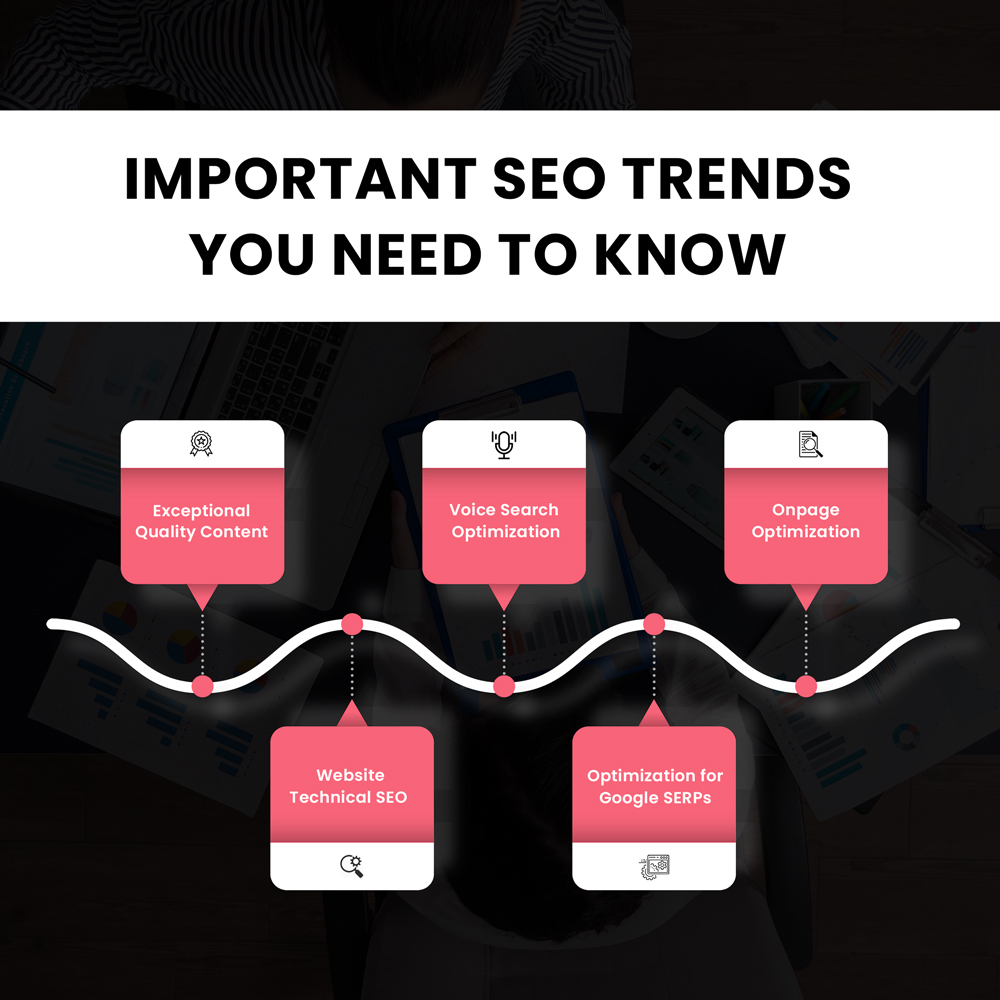
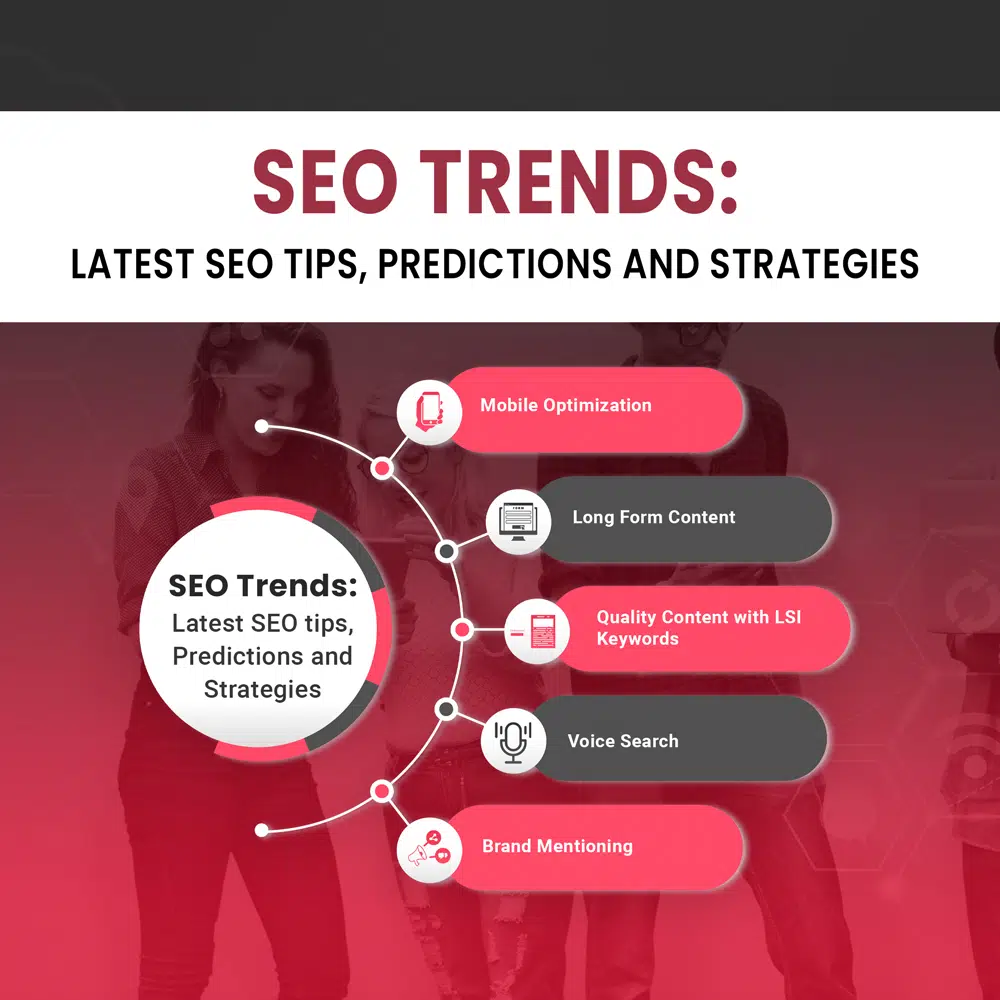
- Healthcare Search Engine Optimization (SEO)
- Healthcare Content Marketing
- Pay-Per-Click (PPC) Advertising for Healthcare
- Healthcare Website Design and User Experience
- Social Media and Email Marketing for Healthcare
- Managing Your Healthcare Reputation Online
- HIPAA Regulations and Compliance
- Choosing The Right Healthcare Marketing Agencies and Services
Whether you are just starting or looking to refine your approach, this guide from Elite Information Tech provides the insights you need to navigate healthcare marketing with confidence.
Understanding Healthcare Marketing and Its Fundamentals
Let’s begin with some frequently asked questions about healthcare marketing basics. In this section, we’ll explore what healthcare marketing is, why it’s important, and how it works.
1. What is healthcare marketing?
Healthcare marketing involves promoting healthcare organizations and their services to potential patients, with a strong focus on online channels. This can include everything from improving search engine visibility to engaging audiences on social media platforms.
2. Why is healthcare marketing important?
Imagine your healthcare practice as a hidden gem. No matter how exceptional your services are, if people don’t know about you, they can’t choose you. That’s where healthcare marketing comes in. It’s how you connect with patients, show them the value you offer, and stand out from the crowd. Marketing transforms curiosity into trust. It guides potential patients from discovering your services to deciding that your organization is the right choice for their care. Simply put, healthcare marketing isn’t just about being seen, it’s about creating connections that grow your practice and drive real results.
3. How is healthcare marketing different from other types of marketing?
What makes healthcare marketing stand out is trust. Every business needs it, but in healthcare, trust isn’t just important, it’s essential. Patients are making decisions that affect their health and well-being, so even a small misstep in messaging or information can have serious consequences. Healthcare marketing must go beyond promotion. It’s about showing credibility, empathy, and reliability at every touchpoint. On top of that, organizations must navigate strict regulations like HIPAA, ensuring all communications protect patient privacy while building confidence. In short, healthcare marketing isn’t just selling services, it’s earning the trust that keeps patients coming back.
4. How do patients find healthcare providers online?
For most patients, the search for a healthcare provider starts with Google or another search engine. It makes sense as people naturally turn to the web when looking for services. But search engines aren’t the only way patients discover healthcare providers. Online directories like Healthgrades and Zocdoc are also popular.
- Social media posts that engage and inform
- Paid advertising that puts your services in front of the right audience
- Marketing emails that nurture and educate prospects
By using multiple channels, you increase the chances that patients will find and choose your practice.
5. Which channels are the most effective for healthcare marketing?
The answer depends on what “effective” means for your practice. Are you looking for quick, short-term results, or are you focused on building long-term relationships with patients?
For quick results, these channels work well:
- Local search engine optimization (SEO) to show up when patients search
- Pay-per-click (PPC) advertising to drive immediate traffic
- Content marketing that informs and attracts new patients
For long-term patient relationships, these channels shine:
- Social media marketing to stay connected and build trust
- Email marketing to nurture and educate patients
- Review management to maintain a strong reputation
The most successful healthcare marketing strategy uses a mix of all these channels, combining short-term wins with long-term growth.
Building A Successful Healthcare Marketing Strategy
Now that we’ve covered the basics, let’s look at some questions about building a strong healthcare marketing strategy. These points are key to creating an effective plan.
6. What should a healthcare marketing strategy include?
A solid healthcare marketing strategy usually includes:
- Search engine optimization (SEO) to help patients find you online
- Pay-per-click (PPC) advertising for targeted visibility
- Social media marketing to engage and connect with your audience
- Website design and development for a smooth, professional experience
- Content marketing to educate and attract patients
- Email marketing to nurture relationships
A good strategy also ensures your marketing stays compliant with regulations like HIPAA, keeping patient trust and safety at the forefront.
7. What KPIs matter most in healthcare marketing?
To know if your healthcare marketing is working, it’s important to track the right key performance indicators (KPIs). Some of the most important ones include:
- Patient acquisition rate
- Website traffic
- Appointment requests
- Cost per appointment
- Return on investment (ROI)
The exact metrics you track will depend on the channel. For example, SEO results look very different from email marketing results. Tracking the right KPIs helps you see what’s working and where to focus your efforts.
8. How do I measure ROI from healthcare marketing?
Measuring ROI in healthcare marketing means linking your marketing efforts to real patient revenue. Start by tracking key actions such as:
- Phone calls
- Appointment requests
- Online bookings
Next, see how these actions contribute to your organization’s revenue. Tools like a customer relationship management (CRM) platform can help you connect marketing activity to results. You can calculate ROI using this formula: ROI = (Revenue generated – Marketing cost) ÷ Marketing cost.
Keep in mind that ROI in healthcare isn’t just about immediate revenue. Repeat visits, referrals, and long-term patient relationships all add to your return. To get the clearest picture, track performance across the full patient journey over time.
9. How do patient personas work in healthcare marketing?
Patient personas are fictional characters that represent the types of patients you want to reach. They help you understand your audience and create marketing that speaks directly to them.
For example, if many of your patients are men aged 40 to 60 who work in blue-collar industries like construction, you might create a persona named Greg – a 50-year-old construction worker. You can also factor in location, health concerns, or lifestyle.
The goal is to ask yourself: What would make this content or ad appealing to Greg? By optimizing your marketing for these personas, you’re essentially tailoring it to your real patients, making your campaigns more effective and relevant.

Healthcare Search Engine Optimization (SEO)
Search engine optimization (SEO) is a critical marketing strategy for every industry, and healthcare is no different. In this section, we’ll answer key questions about healthcare SEO and how it can help your organization attract more patients online.
10. What is healthcare SEO?
Search engine optimization, or SEO, is one of the most important marketing strategies in any industry, and healthcare is no exception. Healthcare SEO focuses on making your organization more visible on search engines like Google and Bing. This involves optimizing your website to rank higher in search results, as well as improving off-site elements like online directories and your Google Business Profile. The goal is simple: make it easier for potential patients to find your practice and choose your services.
11. Why is SEO important for healthcare providers?
SEO is essential for healthcare organizations because it helps you appear in front of patients at the exact moment they’re searching for services. Most people start their search for healthcare providers on Google or medical directories. If your organization doesn’t show up in those results, patients won’t find you, making it harder to attract new patients. When your practice ranks high in relevant searches, you become one of the first options people see, increasing the chances that they’ll choose your services.
12. What keywords should healthcare providers target?
The keywords you target depend on your practice and the patients you want to reach. For example, a pediatric clinic will focus on different keywords than an allergist. Some key types of keywords to include are:
- Long-tail keywords: Phrases with several words, which are more specific and easier to rank for
- Local keywords: Terms that include your location, like “ENT in Alberta” or “urgent care near me.”
- Branded keywords: Keywords that include your practice or organization’s name
Using the right mix of these keywords helps ensure your practice appears in the searches that matter most.
13. How long does healthcare SEO take to work?
On average, healthcare SEO begins showing noticeable results in three to six months. However, the timeline can vary depending on your strategy, audience, and competition. In some cases, it may take up to a year to see significant results. Keep in mind that these results depend on having a well-optimized SEO strategy. A poorly executed strategy will take longer to show results or may not deliver meaningful outcomes at all.
14. What is E-E-A-T in healthcare SEO?
E-E-A-T stands for Experience, Expertise, Authority, and Trust. It’s a set of guidelines from Google that helps healthcare organizations rank higher in search results. To meet E-E-A-T standards, your practice needs to build trust with your audience by showing:
- Experience: Years of work in healthcare
- Expertise: Deep knowledge in your specific field
- Authority: Recognition as a reliable source on healthcare topics
Demonstrating these qualities helps your organization appear higher in search results and reassures patients that you are a credible choice.
Healthcare Content Marketing

Healthcare SEO works best when combined with a strong content strategy. With that in mind, let’s explore some common questions about healthcare content marketing.
15. What is healthcare content marketing?
Healthcare content marketing is the practice of creating helpful, informative content on healthcare topics to attract people to your website. This strategy not only drives traffic and conversions but also builds brand awareness and trust in your organization. Content marketing is especially valuable for showcasing your expertise in your medical field, helping patients see that your practice is knowledgeable, reliable, and worth choosing.
16. What types of content work best for healthcare marketing?
Many types of content can boost your healthcare marketing strategy. Some of the most effective formats include:
- Blog posts
- Service pages
- Patient testimonials
- Videos
- Infographics
These content types help you share medical information clearly, whether you’re explaining your services or providing helpful guidance on a specific illness or condition.
17. What topics should healthcare providers address in their content?
The topics you cover should reflect your specialty. For example, a cardiology practice should focus on heart-related issues, while a neurology clinic should share content about brain health. Beyond specialty-specific topics, you can also create content in these general categories:
- Educational content: Teach your audience about illnesses and treatments
- How-to guides: Show patients how to manage symptoms or injuries at home
- Service pages or videos: Explain what patients can expect at your clinic or practice
This mix helps establish your expertise while providing real value to patients.
18. How does content marketing support patient acquisition?
Content marketing is key to attracting new patients because trust comes first. Patients need to feel confident in your expertise before choosing your practice. By sharing helpful blog posts, videos, or guides, you demonstrate your medical knowledge and build credibility. When patients find your content useful, their trust in your organization grows. As a result, when they need treatment, your practice is the first one they consider.
Pay-Per-Click (PPC) Advertising for Healthcare

19. What is healthcare PPC advertising?
Healthcare PPC (pay-per-click) advertising is a strategy where your organization pays each time someone clicks on your ad. These ads can appear in search results, on social media, or on third-party websites, helping you quickly reach patients looking for care. PPC ads come in different formats, from simple text to images or videos. You can target them to specific keywords or audiences, and you set a bid for how much you’re willing to pay per click. With the right bid and a well-optimized ad, your ad can appear above competitors, driving users to landing pages designed to convert them into patients.
20. Is PPC better than SEO for healthcare?
PPC isn’t better or worse than SEO; they serve different purposes. SEO builds long-term visibility and trust by helping your practice rank organically in search results. PPC, on the other hand, delivers faster results, driving immediate patient inquiries and conversions. The most effective healthcare marketing strategy uses both. Combining SEO and PPC lets you attract patients now while also building a lasting online presence and trust for the future.
21. How much does healthcare PPC cost?
The cost of healthcare PPC can vary widely. On average, the cost per click (CPC) ranges from $0.01 to $1, while total monthly spending for healthcare organizations can fall anywhere between $100 and $100,000. Several factors influence PPC costs, including:
- The number of ads you run
- The keywords or audiences you target
- How well your ads convert clicks into patients
- The PPC platforms or tools you use
- Whether you work with a professional PPC agency
Ultimately, your PPC budget will depend on your goals and the strategy you choose for your practice.
22. How long does healthcare PPC take to work?
Healthcare PPC can start driving results almost immediately since your ads go live as soon as your campaign launches. Unlike SEO, which takes time to build visibility, PPC can generate clicks and patient inquiries from day one. That said, significant results typically appear within about three months. The speed and effectiveness of your PPC campaign depend on the quality of your ads, targeting, and bids. Well-planned campaigns perform faster and convert better than poorly optimized ones.
23. How do you track conversions for healthcare PPC?
In paid advertising, conversions are typically tracked within your advertising platform, such as Google Ads. You can monitor actions that matter to your practice, including:
- Phone calls
- Appointment requests
- Online bookings
Third-party tools, like call tracking software, can also help track specific types of conversions. In healthcare, all tracking methods must comply with HIPAA to protect patient privacy while measuring campaign performance.
24. Are there any restricted healthcare ad categories?
Yes, certain healthcare ad categories are restricted or regulated, and the rules can vary between ad networks. Commonly restricted areas include:
- Prescription drugs
- Addiction treatment services
- Weight loss procedures
Healthcare advertisers are also usually prohibited from:
- Guaranteeing cures
- Targeting users based on sensitive health conditions
- Using exploitative or misleading messaging
Some platforms may allow advertising in restricted categories but require special approvals or certifications. To be sure, always check the specific rules of the ad networks you plan to use.
Healthcare Website Design and User Experience
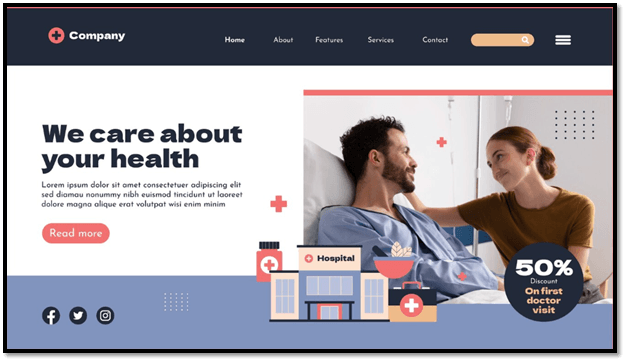
A website is a key part of any marketing plan, but what makes a healthcare website effective? This section answers your top questions about healthcare web design.
25. What is healthcare web design?
Healthcare web design is the process of creating and optimizing a website so patients can easily find information and schedule care. It focuses on both functionality and visual appeal, covering elements such as:
- Mobile optimization
- Easy-to-use navigation
- Fast page loading
- Consistent branding
A well-designed healthcare website works alongside strategies like SEO to attract more patients and boost revenue.
26. Why is web design important for healthcare marketing?
Web design is crucial because it affects how patients find and interact with your website. Good design can improve:
- Traffic acquisition
- Visitor engagement
- Lead generation
- Conversion rates
- Revenue
Poor web design can hurt your search rankings, making it harder for patients to discover your practice. Even if patients do find your site, they expect it to look professional and work smoothly. A poorly designed site can reduce trust and drive potential patients to your competitors.
27. What makes a good healthcare website?
A strong healthcare website combines functionality, security, and usability. Key features include:
- Easy-to-use appointment scheduling forms
- Secure hosting (HTTPS)
- Fast page load speeds
- Mobile-responsive design
- ADA-compliant accessibility features
These elements not only improve user experience but also help your site perform better in search engine rankings, making it easier for patients to find and trust your practice.
28. How often should healthcare websites be updated?
Generally, a major website update is recommended every 3–5 years, but the exact timing depends on your site and its needs. Some websites update only when issues arise, like outdated content or broken features. A common update schedule looks like this:
- Monthly: Fix bugs, address design issues, and review website analytics
- Annually: Refresh outdated information, make minor UX improvements, and update key pages
- Every 3–5 years: Consider a full redesign to modernize your branding and overall look
Regular updates keep your site functional, trustworthy, and engaging for patients.
29. How does mobile optimization impact healthcare marketing?
Mobile optimization is critical for healthcare marketing. Google uses mobile-first indexing, meaning it ranks sites based on their mobile version. If your site isn’t mobile-friendly, it may not rank well or at all. A website that doesn’t work smoothly on phones or tablets can also drive visitors away, and many patients search for healthcare information on the go. To reach and retain these users, your site should be fully mobile-friendly and perform well on both desktop and mobile devices.
30. How does website speed impact healthcare marketing?
Website speed is a crucial part of web design. Visitors quickly leave sites that take too long to load – over half of users abandon a page if it takes more than three seconds. In healthcare, this can mean missed appointment bookings or frustrated patients. Speed also affects search rankings. Google uses Core Web Vitals to measure page performance, and slow sites score poorly, which can push you lower in search results. To improve page speed, consider:
- Minifying code
- Compressing images
- Reducing link redirects
- Caching web pages
Fast-loading websites keep patients engaged and improve your visibility online.
31. What accessibility requirements apply to healthcare websites?
Healthcare websites in the United States must comply with the Americans with Disabilities Act (ADA). While the ADA doesn’t provide exact technical rules, the Web Content Accessibility Guidelines (WCAG) are widely used to determine compliance. Key WCAG recommendations include:
- Adding alt text for images
- Creating an intuitive navigation layout
- Ensuring clear color contrast
- Providing captions or transcripts for videos
Meeting these requirements ensures your website is accessible to all users while maintaining trust and professionalism.
32. What role does UX play in appointment bookings?
User experience (UX) has a major impact on appointment bookings. If your website is hard to navigate or your booking forms are complicated, many visitors will give up before completing them. Even if the forms work well, a site with poor design or slow functionality can drive users to competitors. To encourage more bookings, make your website visually appealing, easy to navigate, and fully functional. A smooth UX guides visitors to your forms and helps turn more users into patients.
Social Media and Email Marketing for Healthcare
33. Is social media effective for healthcare marketing?
Yes, social media is highly effective for healthcare marketing. It allows you to reach patients where they already spend time and share helpful health information instantly. In fact, 55% of adults in the United States use social media to find health information. By posting valuable medical content, you can establish your practice as an expert in your field. This builds trust and increases the likelihood that people will choose your services when they need care.
34. Which social media platforms work best for healthcare?
The most effective social media platforms for healthcare providers include:
- Facebook: Reach a wide age range and share educational content
- Instagram: Share medical infographics and highlight your team
- LinkedIn: Connect with executives or referring physicians for B2B marketing
- YouTube: Post explainer videos and procedure overviews
Using a combination of these platforms helps create a well-rounded strategy and maximizes your reach with patients and partners.
35. What types of posts should healthcare providers share?
Healthcare providers can share a range of content on social media, including:
- Educational posts: Tips on symptoms, treatment explanations, and FAQs
- Practice-focused content: Doctor spotlights or community involvement
- Seasonal reminders: Updates on flu shots, allergy season, and other timely topics
These posts position your practice as a trusted authority, build patient confidence, and increase the likelihood that followers will choose your services.
36. How do you grow an email list for healthcare marketing?
The best way to grow your email list is to offer valuable healthcare content that motivates people to subscribe. Examples include:
- Health guides
- Wellness checklists
- Webinars on health topics
- Seasonal wellness tips
Place signup forms strategically on your website, such as your homepage, blog posts, or even as an optional step in appointment forms. Include a clear call to action so users know what they’ll receive by signing up. Always follow HIPAA guidelines: don’t collect protected health information through signup forms, ensure secure data handling, and provide an easy way for subscribers to opt out. This approach builds a trustworthy email list while keeping patient privacy safe.
37. What types of healthcare emails perform best?
The most effective healthcare emails typically include:
- Educational emails: Health guides, wellness tips, and informative resources
- Practice updates: Newsletters or announcements about your clinic
- Reminders: Appointment and care follow-ups
The key to success is providing real value. Focus on the information your patients want and need, and craft your emails to be helpful, relevant, and engaging.
38. What are some common social media mistakes in healthcare marketing?
Healthcare organizations often make these mistakes on social media:
- Overpromotion: Focusing too much on sales or services can turn potential patients away. Informative, helpful content tends to perform better.
- Inconsistent posting: Irregular posting schedules reduce engagement. Consistency keeps your audience interested and connected.
- Lack of compliance: Failing to follow healthcare regulations, such as sharing patient information without consent or mishandling reviews, can harm your reputation and lead to serious legal issues.
Avoiding these mistakes helps maintain trust and keeps your social media marketing effective.
Managing Your Healthcare Reputation Online
39. How can healthcare organizations get more patient reviews?
Healthcare organizations can encourage patient reviews through several methods:
- Sending follow-up emails or texts after appointments
- Asking in person during check-out at the front desk
- Providing printed cards with QR codes linking to review sites
Timing matters – request reviews soon after appointments, especially from patients who had a positive experience. Always follow compliance rules: never offer incentives or pressure patients to leave a review. This approach builds genuine, trustworthy feedback for your practice.
40. Can healthcare providers respond to online reviews?
Yes, healthcare providers can respond to online reviews. However, it’s important to follow regulations: never share sensitive patient information. Keep responses professional and general, and only address what is mentioned in the review itself. This helps protect patient privacy while showing that your practice values feedback.
41. What should healthcare providers do about negative reviews?
When handling negative reviews, it’s important to respond carefully:
- Stay HIPAA-compliant: Never confirm if the reviewer is a patient or share any sensitive health information, even if mentioned in the review.
- Avoid defensiveness: Acknowledge their experience politely, apologize for any dissatisfaction, and offer help to resolve the issue.
- Take the conversation offline: Invite the reviewer to call or email your office to address their concerns privately, and work to resolve the problem where possible.
This approach protects patient privacy, demonstrates professionalism, and can help turn a negative experience into a positive impression.
42. What platforms matter most for healthcare reviews?
For most healthcare providers, Google is the primary platform for reviews, especially if you have a Google Business Profile. Patients often leave feedback there, making it a key place to monitor. Other important platforms include:
- Medical directories: Healthgrades, Zocdoc
- Social media: Facebook
- General review sites: Yelp
Check all these platforms regularly to see where patients are leaving reviews and prioritize responses to maintain a strong online reputation.
HIPAA Regulations and Compliance
Healthcare marketing operates under strict regulations due to the sensitive nature of medical information. The following FAQs explain how to stay compliant while promoting your practice effectively.
43. What is HIPAA-compliant healthcare marketing?
HIPAA-compliant healthcare marketing promotes your practice without exposing protected health information (PHI) or violating privacy and security rules. HIPAA, the Health Insurance Portability and Accountability Act, sets U.S. standards for handling sensitive patient information to prevent unauthorized disclosure. Key examples of HIPAA compliance in marketing include:
- Never disclosing patient identities
- Avoiding the use of patient information in case studies or testimonials without written consent
- Not mentioning patient details when responding to online reviews
All healthcare marketing must follow HIPAA guidelines. Violations can lead to serious legal consequences, so it’s essential to keep compliance at the forefront of every marketing effort.
44. How do healthcare marketers protect patient privacy?
Healthcare marketers safeguard patient privacy using several key practices:
- Secure websites: Use HTTPS encryption to protect data
- Review responses: Never confirm patient relationships online
- Social media: Avoid giving personalized medical advice
- Email signups: Include clear consent language
- Contact forms: Ensure all forms comply with HIPAA
The core principle behind all these measures is simple: never share or reference patient information in your marketing. This keeps your practice trustworthy and fully compliant.
45. What patient information can be used in marketing?
You can use two types of patient information in marketing:
- General, non-identifiable information: Aggregated stats, like (“We’ve treated over 2,000 patients”) or overall success rates that don’t reference specific individuals
- Properly authorized disclosures: Patient information shared with clear, written consent that meets HIPAA requirements and specifies how it will be used
Never share any individual patient details without explicit written consent to stay compliant and protect privacy.
46. What are common compliance mistakes in healthcare marketing?
Healthcare providers often make these compliance errors:
- Confirming patient relationships when responding to reviews
- Using contact or email forms that aren’t HIPAA-compliant
- Storing patient data on unsecured systems
- Failing to meet website accessibility standards
- Sharing protected health information without written consent
Avoiding these mistakes is essential to protect patient privacy, maintain trust, and stay fully compliant.
Choosing The Right Healthcare Marketing Agencies and Services

47. Should healthcare organizations hire an agency or handle marketing in-house?
The choice depends on your organization’s resources and expertise. If you have both the marketing knowledge and the time to manage campaigns, an in-house approach can work. However, healthcare marketing often requires specialized skills and consistent effort. If you lack expertise or time, partnering with a professional agency is usually the better option. Agencies bring years of experience, manage campaigns efficiently, and allow you to focus on running your practice while ensuring your marketing performs effectively.
48. What services do healthcare marketing agencies offer?
Healthcare marketing agencies provide a range of services, such as:
- Search engine optimization (SEO)
- Pay-per-click (PPC) advertising
- Social media marketing
- Healthcare website design
- Content marketing
- Email marketing
Not every agency offers all of these services – some focus on just one or two areas. Full-service agencies, however, have expertise across all of these strategies, providing comprehensive support for your healthcare marketing needs.
49. How much do healthcare marketing services cost?
Healthcare marketing costs vary widely depending on your strategy, agency, deliverables, and campaign size. On average, 44% of healthcare organizations spend between $5,000 and $10,000+ per month. Here’s a closer look at typical budgets:
- 12% spend less than $500 per month
- 14% spend $500–$1,000 per month
- 10% spend $1,000–$5,000 per month
- 24% spend $5,000–$10,000 per month
- 20% spend over $10,000 per month
- 20% are undecided on their budget
Ultimately, your marketing spend should align with your goals and the scope of the strategies you pursue.
50. What should I look for in a healthcare marketing agency?
When choosing a healthcare marketing agency, focus on four key qualities:
- Budget: Ensure the agency’s pricing fits your marketing budget and offers good value without being unusually cheap.
- Experience: Look for agencies with proven expertise in healthcare marketing and a track record of delivering results.
- Services: Confirm the agency offers the specific services and deliverables you need.
- Reviews: Check past client reviews to see if they had positive experiences and measurable outcomes.
An agency that meets all these criteria is likely to be a reliable partner for growing your healthcare organization’s marketing efforts.
Take Your Healthcare Marketing to New Heights
Now that you’ve explored these healthcare marketing FAQs, it’s time to put that knowledge into action for your organization. Effective marketing goes beyond simply knowing the basics; it requires strategy, consistency, and expertise. That’s why many healthcare providers choose to partner with an experienced agency like Elite Information Tech.
With our healthcare marketing services, we help turn your website and campaigns into a dependable source of new patients. From boosting your visibility in local search results to filling high-value service lines with qualified appointments, we know how to make your organization stand out. With decades of digital marketing experience, Elite Information Tech understands what it takes to grow your practice and strengthen your online presence.
Ready to elevate your healthcare marketing? Contact us today online or call to get started.