
Playbooks GEO case studies · 6 industry scenarios

GEO case studies: how AI search engagements actually play out.

Before you hire anyone to get your brand into ChatGPT, Perplexity or Google AI Overviews, you should know what the work looks like. These six illustrative industry scenarios walk through the starting point, what an AI visibility audit typically uncovers, the workstreams we run, the timeline — and exactly which numbers we track to prove progress.

6industry playbooks
on this page
Since 2008search work across
98+ industries
4.9/5client rating
on DesignRush
Strategy workshop with sticky notes mapping a GEO engagement
Tracked every week
Mention rate
across your fixed buyer-prompt set
Scenario format
Starting point → audit findings → workstreams → timeline → KPIs → lessons.
illustrativeNDA-safe
Scenarios cover SB2B SaaS DD2C e-commerce HMulti-location clinics PProfessional services EEducation & edtech LLocal home services

A transparent note before you read

Client results are shared privately under NDA — book a call to see real reports relevant to your industry. Most of our clients don't want competitors knowing which AI prompts they're winning, so we don't publish their names or numbers. Instead, this page shows composite, illustrative scenarios built from the patterns we see repeatedly in audits and engagements. No company named or implied here is a real client, and no figure below is presented as an achieved result. Where you see a number, it's either a description of our process (e.g. "120 prompts tracked") or a clearly labelled target.

Want the real thing? On a 30-minute call we'll walk you through anonymised reports from engagements in your sector. Message us on WhatsApp or request your free audit.

Jump to a scenario

Pick the playbook closest to your business.

Every industry gets into AI answers through slightly different doors. A SaaS tool wins on comparison pages and review platforms; a clinic wins on its Google Business Profile and local entity data. Start with the one that looks like you.

B2B SaaS

Missing from "best tool for…" and "alternatives to…" prompts despite strong Google rankings.

Read scenario

D2C e-commerce

Products absent from AI shopping answers; marketplaces and listicles cited instead.

Read scenario

Multi-location clinic

Inconsistent location data and thin doctor profiles confusing AI assistants.

Read scenario

Professional services

A trusted firm described generically — or not at all — when buyers ask for advisers.

Read scenario

Education & edtech

Outdated fees, courses and accreditation repeated by AI to prospective students.

Read scenario

Local home services

Aggregators and directories named instead of the business doing the actual work.

Read scenario
Scenarios 1–3

Three playbooks, three very different starting points.

Each scenario follows the same structure we use in real engagements: diagnose with data, fix the foundations, build the content and authority AI engines lean on, then measure against a fixed prompt set.

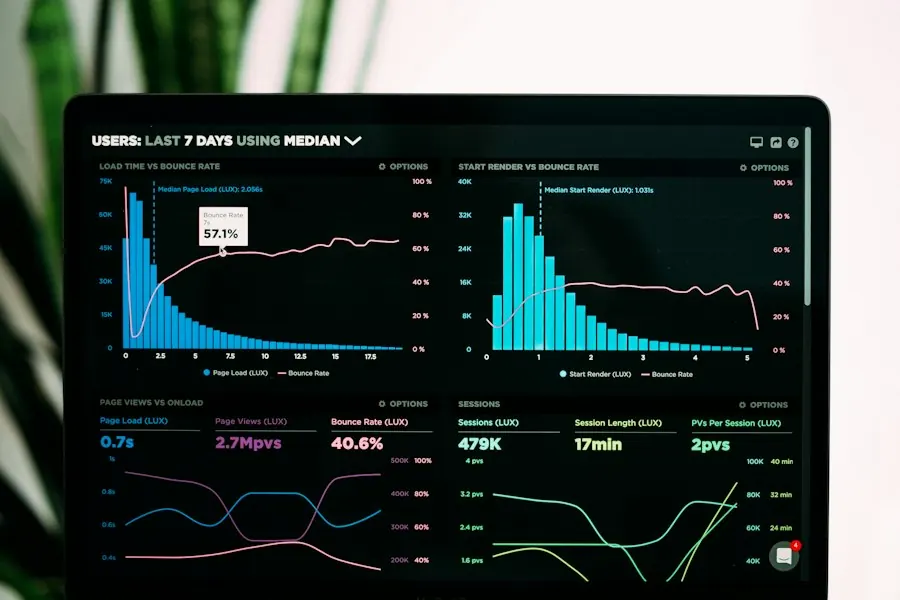
Analytics dashboards on dark monitors representing a SaaS company's metricsIllustrative scenario
B2B SaaSChatGPT · Perplexity · AI Overviews

A mid-size B2B SaaS company that ranks on Google but vanishes in ChatGPT

Starting situation. A project-management tool for agencies with healthy organic traffic and page-one rankings for its core keywords. Sales started hearing "ChatGPT recommended three other tools, so we tried those first." Nobody could see how often it was happening.

What the AI visibility audit typically finds.

  • Named in a minority of "best tool for agencies" prompts; almost never in "alternatives to [market leader]" prompts.
  • Answers cite G2-style review sites, Reddit threads and third-party listicles — not the company's own pages.
  • Pricing described from a plan that was retired two years ago.
  • No comparison pages, no public integration list, and a feature page built in client-side JavaScript that crawlers render poorly.

What we change.

  • Entity & schema: one canonical product description, SoftwareApplication + Organization schema, cleaned-up review-platform and Crunchbase profiles.
  • Answer-first content: honest "X vs Y" and "best tools for [use case]" pages with feature tables and current pricing.
  • Authority: outreach to the listicles and newsletters already cited for these prompts; review-generation programme for real customers.
  • Technical: server-rendered feature pages, OAI-SearchBot and PerplexityBot allowed, Bing Webmaster Tools + IndexNow.
MentionsMention rate across ~120 buyer prompts
CitationsShare of answers citing our URLs
DemosAI-referred demo requests (target: tracked monthly)

Timeline. Weeks 1–2 audit and baseline · weeks 3–8 technical fixes and first eight comparison pages · month 3 onward PR and review push, monthly re-testing.

Lesson. For SaaS, the fastest movement usually comes from other people's pages. If the five sources ChatGPT trusts for your category don't mention you, your own blog can't close the gap alone — which is why brand mention building runs alongside content from day one.

Laptop and phone showing e-commerce analyticsIllustrative scenario
D2C e-commerceChatGPT Shopping · AI Mode · Perplexity

A D2C skincare brand whose products never appear in "best for" AI answers

Starting situation. A growing Shopify brand selling on its own site and on marketplaces. Paid social drives most revenue; organic is flat. When shoppers ask an AI assistant for "best sunscreen for oily skin under ₹800", the answer lists marketplace bestsellers and beauty-magazine picks.

What the AI visibility audit typically finds.

  • Product pages have marketing copy but few hard facts: ingredients in an image, no skin-type guidance, no size or price in text.
  • Product schema missing offers, aggregateRating and GTINs; merchant feed out of sync with the site.
  • The brand appears on marketplace listings that outrank its own pages as the cited source.
  • Zero coverage in the "best of" roundups that AI answers repeatedly pull from.

What we change.

  • Product data: full Product/Offer schema, merchant feed hygiene, ingredients and use-cases as real text, FAQ blocks on every hero product.
  • Buying guides: "best for [skin type / concern]" guides that answer the question first and recommend fairly — including when a product isn't the right fit.
  • Digital PR: samples and data stories pitched to the editors whose roundups are cited in the category.
  • Reviews: post-purchase review flows so ratings are fresh and visible to crawlers.
SoVShare of voice on 80 product prompts
ProductsSKUs named in AI shopping answers
AI sessionsAI referral sessions & revenue in GA4

Timeline. Weeks 1–3 audit and product-data fixes · weeks 4–10 buying guides and PR outreach · month 3 onward monthly prompt re-runs and seasonal refreshes.

Lesson. AI shopping answers reward structured, comparable facts. A product page that reads beautifully to a human but hides price, size and ingredients in images is invisible to a model. Our AI citation optimisation work starts with the data layer before any new content.

Healthcare marketing lead presenting a location strategyIllustrative scenario
Multi-location healthcareAI Overviews · Gemini · ChatGPT

A dental clinic group with 9 locations and 9 different versions of itself online

Starting situation. A regional dental group that grew through acquisitions. Each clinic kept its old name, phone number and website for a while. Patients increasingly ask "best dentist for implants near me" in Google's AI Mode or Gemini — and the group is rarely named.

What the AI visibility audit typically finds.

  • Conflicting names, hours and phone numbers across Google Business Profiles, directories and the site.
  • Location pages are near-duplicates with no doctors, treatments or local proof.
  • Dentist profiles lack credentials and registrations — weak trust signals for a medical query.
  • Review responses inconsistent; some locations have few recent reviews.

What we change.

  • Entity clean-up: one naming convention, NAP consistency across profiles, MedicalClinic/Dentist + Physician schema per location.
  • Location pages: unique pages with treatments, team, insurance/payment options, directions and FAQs written for patients.
  • Clinician authority: verifiable credentials, reviewed-by bylines on treatment content, local media commentary.
  • Reviews & GBP: steady review generation, owner responses and services/products filled in on every profile.
LocalMention rate on "near me" prompts per city
Accuracy% of answers with correct facts
CallsCalls & bookings from GBP and AI referrals

Timeline. Weeks 1–4 entity and GBP clean-up (the biggest lever) · weeks 4–12 location page rebuild · month 3 onward reviews, PR and quarterly accuracy checks.

Lesson. In local and medical queries, accuracy comes before visibility. An assistant that isn't sure which phone number or address is right tends to recommend someone it is sure about. Clean entity data is the cheapest win in GEO — see how this connects to Google AI Overviews optimisation.

See a real report from your industry.

We'll show you an anonymised AI visibility report from a comparable engagement — and run 20 of your own buyer prompts live so you can see where you stand today.

Scenarios 4–6

Trust-driven, research-heavy and hyper-local buyers.

These three industries share one thing: the buyer asks an AI assistant for a recommendation before they ever speak to a human. The levers differ; the measurement doesn't.

Professional services team discussing a client strategy around a tableIllustrative scenario
Professional servicesChatGPT · Copilot · Perplexity

A 40-person accounting and advisory firm that AI describes as "a local CA firm"

Starting situation. A respected firm with deep expertise in cross-border tax for startups. Most work comes from referrals, but founders now ask ChatGPT and Copilot "who should I talk to about setting up a US entity from India?" — and the firm is either absent or summarised in one generic line.

What the AI visibility audit typically finds.

  • The website talks about "solutions" and "excellence" but never states specialisms plainly.
  • Partners have strong LinkedIn presence, but no author pages connect them to the firm's content.
  • Firm rarely appears in the publications and association directories that AI cites for this topic.
  • No content answers the specific, high-value questions founders actually ask.

What we change.

  • Positioning in plain text: a clear "who we help, with what" statement repeated consistently across site, profiles and directories.
  • Expert-led content: partner-bylined guides that answer specific questions with steps, timelines and fee ranges.
  • Person entities: author pages with credentials, Person schema linked to the Organization, consistent bios everywhere.
  • Thought leadership PR: commentary in business media and podcasts that AI tools already cite for the topic.
MentionsMention rate on 60 adviser-selection prompts
SentimentHow specifically & positively we're described
LeadsEnquiries citing AI as the discovery source

Timeline. Weeks 1–2 audit and positioning workshop · weeks 3–10 cornerstone guides and author pages · month 3 onward ongoing PR and monthly measurement.

Lesson. AI can't recommend a specialism you never state. For services firms, the biggest early shift is often in how the firm is described — specific, accurate, credible — before mention rate itself moves. We track that through sentiment and accuracy scoring.

Students and staff working on laptops at an education providerIllustrative scenario
Education & edtechChatGPT · Gemini · AI Overviews

An online upskilling platform being quoted with last year's fees and courses

Starting situation. An edtech company offering certificate courses in data and design. Prospective learners ask AI assistants "is [course] worth it?", "best data analytics course with placement support" and "fees for…". The answers mix current and outdated details, and competitors with more press coverage dominate the recommendations.

What the AI visibility audit typically finds.

  • Old fee pages and discontinued course pages still indexed and being cited.
  • Outcome claims ("placement support", "industry-recognised") without verifiable detail.
  • Strong presence on YouTube, but videos lack transcripts or descriptions that explain the course.
  • Student discussions on forums are the main third-party signal — mixed and unanswered.

What we change.

  • Fact hygiene: redirect or update stale pages, a single up-to-date fees and syllabus page per course with Course schema and visible "updated" dates.
  • Proof content: transparent outcome pages with methodology, curriculum detail and instructor credentials.
  • Video & community: transcripts, chapters and descriptions; genuine, disclosed participation in student communities.
  • Comparisons: fair "course vs course" and "which course for which career" guides.
AccuracyAnswers quoting current fees & syllabus
CitationsOur URLs cited vs aggregators
Sign-upsAI-referred trial or counselling requests

Timeline. Weeks 1–3 stale-content clean-up · weeks 3–8 course and proof pages · month 3 onward comparisons, video optimisation and community work.

Lesson. Removing wrong information is as important as publishing new information. Every stale page left live is a source an AI tool might quote. Our entity accuracy prompts catch these early.

Small business owner managing a home services company on a laptopIllustrative scenario
Local home servicesAI Mode · Gemini · ChatGPT · Copilot

A pest-control and cleaning company losing "near me" answers to aggregators

Starting situation. An owner-led home services business covering one metro area, with good reviews and repeat customers. When people ask an assistant "who's the best termite treatment company in [city]?", answers recommend aggregator platforms and listicles — rarely the businesses doing the work.

What the AI visibility audit typically finds.

  • Service-area pages are thin; prices, guarantees and treatment methods aren't stated anywhere.
  • Google Business Profile categories and services incomplete; photos outdated.
  • Not listed on the local "best of" pages and directories that AI answers cite for the city.
  • Reviews mention specific services, but the site never reinforces those strengths.

What we change.

  • Local entity: complete GBP, LocalBusiness schema with service areas, consistent citations on major directories.
  • Service pages: one page per service with method, safety, typical price range, guarantee and FAQs.
  • Local authority: inclusion on cited local roundups, community sponsorships, neighbourhood-level PR.
  • Review strategy: ask for reviews that mention the specific service and area (never scripted or incentivised).
Local SoVShare of voice on 40 city/service prompts
SourcesCited local pages that now include us
BookingsCalls & forms from AI and GBP

Timeline. Weeks 1–3 GBP and citations · weeks 3–8 service pages · month 2 onward local PR and review cadence.

Lesson. In local GEO, the "source list" for a city is often short — a handful of directories and roundups. Earning a place on them can matter more than anything on your own site. It's classic local SEO, measured through a new lens.

Side by side

Where each playbook puts its weight.

The same GEO pillars — entity & schema engineering, answer-first content, authority signals — weighted differently for each industry.

ScenarioEngines that matter mostPrimary leverFirst signal we usually look forBusiness KPI
B2B SaaSChatGPT, Perplexity, AI OverviewsThird-party mentions + comparison pagesCitations of new comparison pagesDemo requests
D2C e-commerceChatGPT Shopping, AI ModeStructured product data + roundup PRProducts named with correct priceAI-referred revenue
Multi-location clinicAI Overviews/AI Mode, GeminiEntity & GBP consistencyCorrect facts in answersCalls & bookings
Professional servicesChatGPT, CopilotExpert-led content + person entitiesMore specific descriptions of the firmQualified enquiries
Education & edtechChatGPT, Gemini, AI OverviewsFact hygiene + proof contentCurrent fees/syllabus quotedCounselling requests
Local home servicesAI Mode, Gemini, CopilotLocal directories + service pagesInclusion on cited local pagesBookings

Illustrative patterns from our audit work, not guarantees. Your audit determines your actual priorities.

The engagement process

Every playbook runs on the same disciplined process.

Industries differ. The method doesn't. Here's the sequence behind every scenario above.

Week 1–2

Prompt set & baseline

We build 50–200 buyer prompts with you, run each several times across ChatGPT, Perplexity, Gemini, Copilot and Google AI features, and record mentions, position, citations and accuracy against 3–5 competitors.

Week 2–3

Source map & gap analysis

Every cited URL in your category is logged and scored. We identify which sources you can influence, which pages you're missing and which facts AI gets wrong.

Week 3–8

Foundations

Crawler access, Bing and IndexNow, schema, entity clean-up and the first wave of answer-first pages targeting high-value prompts.

Month 2–6

Authority & content cadence

Digital PR and placements on cited sources, review programmes, refreshed money pages and new comparison content.

Ongoing

Measure, test, iterate

Weekly prompt runs, monthly reporting, quarterly strategy reviews — and controlled tests from our experiments programme.

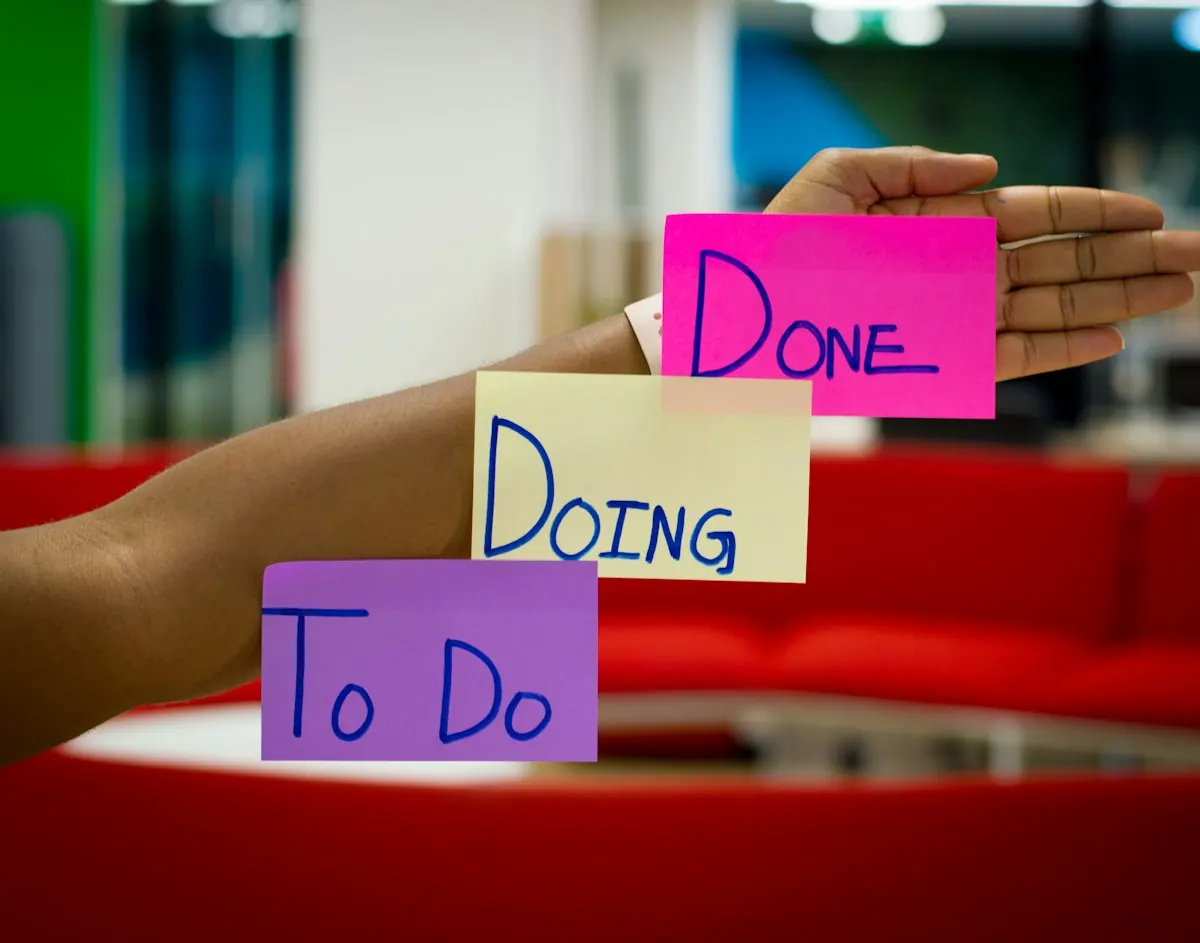
Kanban board with to-do, doing and done notes for a GEO roadmap
90-day launch
Then a monthly rhythm of testing, publishing and earning mentions.
Setting expectations

What results usually look like, month by month.

GEO isn't a switch. It's a set of signals that compound. Here's the qualitative pattern we typically see — useful for planning budgets and internal reporting. Timing varies with competition, site health and how much authority work is possible.

M1

Clarity

You finally see the picture: which prompts you win, which you lose, who's cited instead and what AI gets wrong. Technical blockers get fixed. Visibility rarely moves yet — and that's normal.

M2–3

First signals

New and restructured pages get crawled and start appearing as citations in search-grounded engines like Perplexity and ChatGPT search. Factual errors begin to drop out of answers.

M4–6

Momentum

Placements on cited third-party sources land. Mention rate and share of voice usually start trending on target prompts; AI referral sessions become measurable in analytics.

M6–12

Compounding

Consistent third-party consensus builds. You're described more specifically and more often by default — and the work starts influencing future model versions, not just live search.

Why we report visibility as a percentage, not a "rank"

AI answers vary from run to run. Research published by SparkToro with Gumshoe in January 2026 — 2,961 prompt runs by 600 volunteers across ChatGPT, Claude and Google's AI — found less than a 1-in-100 chance that two responses list the same set of brands, and recommended measuring visibility percentage across many repeated prompts rather than tracking positions. That's exactly how we report. Source: SparkToro, 2026

The KPIs behind every scenario

What we measure — and how.

Every number in a real report is traceable to a prompt, a run and a date. These are the metrics you'll see.

Mention rate

The % of runs across your prompt set where your brand is named. Reported per engine, per prompt cluster and over time.

Share of voice

Your mentions as a share of all brand mentions across you and named competitors — the closest thing GEO has to market share.

Citation share

How often your own URLs are the sources behind answers, and which pages earn them.

Accuracy score

Whether pricing, locations, features and claims are stated correctly. Errors are logged and tracked to resolution.

Sentiment & framing

Positive, neutral or negative — and whether you're recommended "for" the use cases you actually want.

AI referral outcomes

Sessions, leads and revenue from AI platforms in GA4/CRM, plus "how did you hear about us?" attribution.

Want the full methodology? Read about our AI visibility tracking service or browse the tools we use.

Why the work matters

Published research that shapes these playbooks.

We don't publish client numbers — but these independent studies explain why the scenarios above prioritise what they do. More in our GEO statistics library.

8% vs 15%

Google users clicked a traditional result in 8% of visits when an AI summary appeared, vs 15% without one.

34.5%

Lower average CTR for the #1 result on keywords showing an AI Overview, in a 300,000-keyword analysis.

Source: Ahrefs, 2025
23%

Lower bounce rate for generative-AI referred visitors to US retail sites vs other traffic.

Up to 40%

Visibility boost in generative engine responses from GEO methods such as adding quotations and statistics.

Elite Information Tech specialists collaborating on a client engagement
~300 specialists
SEO, content, PR, dev and analytics in one team.
Why Elite Information Tech

The playbooks only work if one team can run all of them.

Every scenario above needs technical SEO, content, digital PR, local SEO and analytics working on the same plan. That's how we're built.

  • Search since 2008. GEO sits on top of crawlability, authority and genuinely useful content — fundamentals we've practised across 98+ industries.
  • Multi-engine by default. One programme covers ChatGPT, Perplexity, Gemini, Copilot and Google's AI features.
  • No black box. You see every prompt we track, every run and every cited URL.
  • Honest by policy. No fake reviews, no hidden text for bots, no guaranteed "rankings" in AI.

What's included in every engagement

Prompt set & baselineSource mapEntity & schema fixesAnswer-first pagesDigital PRMonthly reportStrategy calls

Your industry's playbook, with your real data.

We'll baseline your AI visibility across five engines, map who's cited instead of you, and hand you a prioritised 90-day plan — free.

FAQ

Questions about GEO case studies and results.

Are these GEO case studies real clients?

No. The six scenarios on this page are illustrative composites built from patterns we see repeatedly in audits and engagements. They don't describe any specific client, and none of the figures are presented as achieved results. Real client reports are shared privately under NDA — book a call and we'll show you anonymised reports from your industry.

Why don't you publish client names and results?

Most clients treat their AI visibility as competitive intelligence — knowing which buyer prompts a brand wins tells competitors exactly where to attack. We respect that, so detailed results stay private. We're happy to walk through real, anonymised reports on a call.

How long does a GEO engagement take to show results?

Most engagements start with a 90-day launch. Search-grounded engines such as Perplexity and ChatGPT search can begin citing improved pages within weeks of crawling. Broader shifts in mention rate and share of voice usually depend on third-party coverage and take several months. Changes to what models "know" from training take longest.

Which KPIs should I use to judge a GEO agency?

Look for mention rate and share of voice across a fixed prompt set run repeatedly, citation share for your URLs, accuracy of facts about your brand, sentiment, and AI referral sessions, leads or revenue in your analytics. Be wary of anyone reporting a single "AI rank" from one-off screenshots.

Can you guarantee my brand will be recommended by ChatGPT or Google AI?

No honest agency can. AI answers vary by prompt, user, location and model version. What we guarantee is the process: transparent measurement, prioritised fixes and the content and authority work that AI engines demonstrably rely on.

Is GEO different for local businesses and multi-location brands?

The pillars are the same, but the weighting changes. Local GEO leans heavily on Google Business Profile completeness, consistent name/address/phone data, reviews and inclusion on the local directories and roundups that AI answers cite for each city.

Do I need to stop doing traditional SEO to invest in GEO?

No. GEO builds on SEO. Crawlable, fast, well-structured pages with strong authority still matter — Google says its AI features rely on the same fundamentals as Search. Most of our clients run SEO and GEO as one integrated programme.

What does the free AI visibility audit include?

We run a sample of your buyer prompts across the major AI engines, show where you're mentioned and cited versus competitors, flag factual errors and technical blockers, and recommend the first priorities. There's no obligation to continue.

Free AI visibility audit

Find out what ChatGPT, Gemini & Google AI say about you today.

Tell us your website and top competitors. Within 3 business days a GEO strategist sends you a personal AI visibility report — no generic PDF, no sales script.

  • Share-of-voice snapshot across ChatGPT, Gemini, Perplexity, Copilot and Google AI Overviews
  • Prompt-level gaps where competitors are named and you aren't
  • Citation sources each AI engine leans on in your category
  • A prioritised 90-day GEO plan you can run in-house or with us
300+ specialistsSince 200898+ industries4.9/5 on DesignRush

Get my free AI visibility audit

Takes 60 seconds. We reply within one business day.

By submitting, you agree to be contacted about your inquiry.